
We start with a razor-sharp reminder from Marcus Aurelius: do not act as if you were going to live ten thousand years. The point is not gloom. It is urgency. Modern life rewards delay, distraction, and the comfort of later. We stash the hard talk for next week, the bold project for next quarter, and our standards for some ideal day that never arrives. This mindset feeds anxiety because life remains half-started. When we accept that time is limited, the present gains weight. A single conversation, a single hour, a single choice stops being filler and becomes a chance to live on purpose.
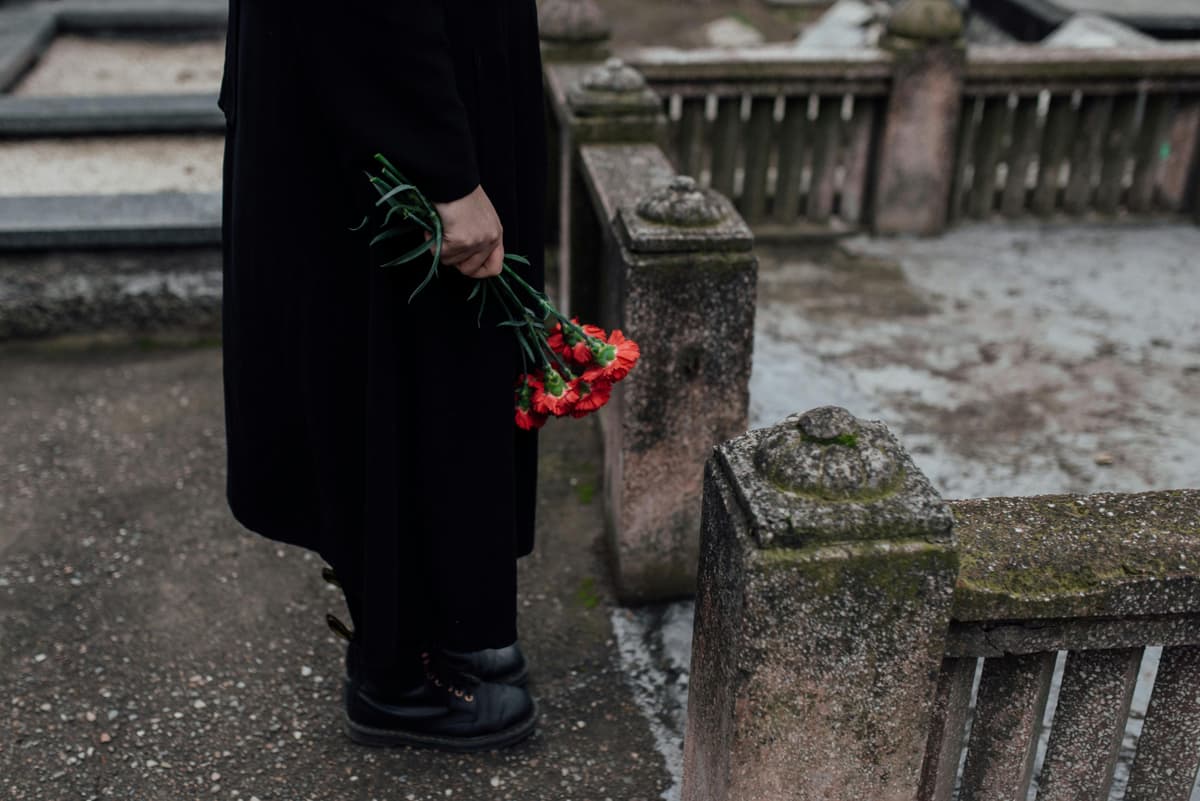
Death hangs over you is the second strike of the quote, and it is the clarifying one. Mortality is not a threat but a filter. It strips out cheap pursuits that fade under pressure: petty fights, shallow approval, and the next hit of novelty. When we hold death in view, status shrinks and meaning expands. We ask cleaner questions: Does this task align with my values? Would I be proud to have spent an irreplaceable day on this? The fear of failure loosens, because if endings are certain, the cost of not trying dwarfs the cost of trying and missing. Courage becomes practical. Gratitude becomes precise.
While you live, while it’s in your power, be good is the call to action and the core of Stoic ethics. Being good is not a mood; it is a practice of character. Integrity means keeping promises when no one is watching. Honesty means saying the thing that is true without cruelty. Moral courage means choosing what’s right when comfort tempts you to drift. Compassion widens your lens to include other people’s burdens and hopes. Wisdom grows when you test your views against evidence and accept correction. Justice asks you to act fairly and lift the commons, not just your corner. These are not lofty abstractions; they are daily reps that form a person.
The phrase while it’s in your power matters because it locates agency now. You may not control outcomes, timelines, or other people’s choices. You do control your attention, your effort, your tone, and your next step. Procrastination thrives on vague dread and limitless time; it dies when you set one clear action with a short horizon. Trim the bushes, send the apology, open the hard document, make the 10-minute start. Using death as a motivator is not panic; it is precision. It shifts energy from spiraling worry to small, courageous acts that stack into a life.
Personal honesty sharpens the practice. We all have versions of 2K, a show, a scroll, a habit that steals prime hours. Naming the habit breaks the spell. Link your present action to your desired legacy: to be known for wisdom, insight, laughs, and love within your closest circle. When you frame time as a gift to the people who will remember you, priorities click. You choose the call over the feed, the craft over the distraction, the calm apology over the hot take. Virtue ceases to be abstract and becomes a way to be reliable for the people who count.
Put the three parts together and you get a compact operating system. Embrace urgency: start while you feel unready. Accept mortality: let it focus you, not frighten you. Choose virtue: align each micro-choice with who you aim to be. The result is not a longer life but a truer one, where minutes are invested rather than leaked. Character is the lever you always hold, regardless of luck or headlines. When you practice it, your days feel coherent. Your work gains texture. Your relationships hold more depth. And when you look back, you see fewer almosts and more alreadys.